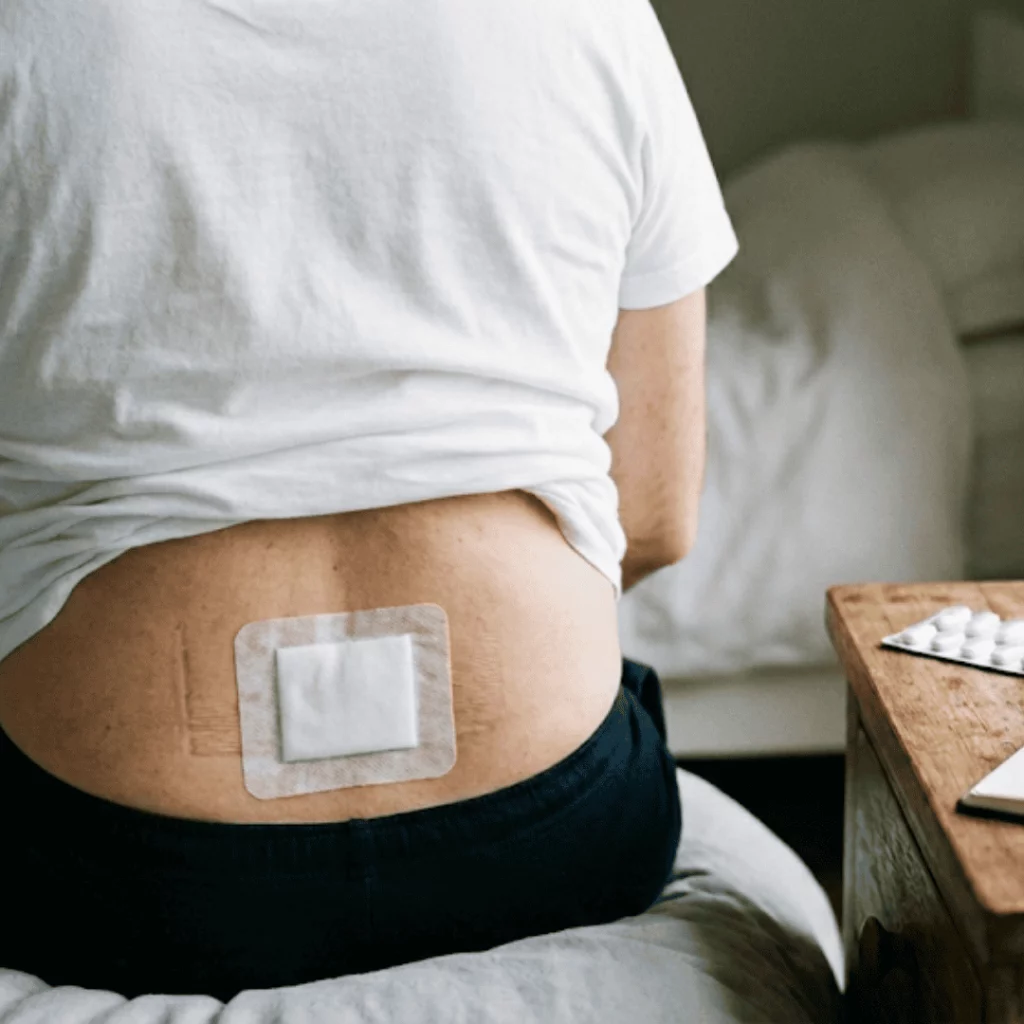
If you have had spine surgery, it is very likely that one of your biggest fears is the pain after the operation. That is understandable: many back operations are performed precisely to relieve pain that has been with you for months or years. Understanding which kinds of discomfort are to be expected and which ones should make you seek medical advice again can reduce a lot of anxiety and help you react in time if something is not going well.
In this article you will find a practical guide to pain after common spine procedures (endoscopic or minimally invasive surgery, fusions, disc replacement, sacroiliac joint surgery or revision surgery). It does not replace the assessment of your own team, but it can give you a framework to interpret what you feel in the first weeks and months.
- After spine surgery it is normal to have pain in the operated area and to feel some tiredness or stiffness that gradually improves.
- Pain that gets worse day by day, changes suddenly in character, or is accompanied by fever, loss of strength or problems passing urine or stools requires urgent medical attention.
- The type of surgery, the technique used, your general condition and your expectations strongly influence how you perceive pain.
- A good pain control plan, early mobilisation and tailored rehabilitation reduce the risk of poorly controlled pain and of it becoming chronic.
1. What kinds of pain can you feel after spine surgery
Not all pain after surgery means that there is a complication. To understand it better, it is usually divided into several types:
1.1 Wound and muscle pain
This is the most common type of pain. It comes from the skin, muscles and ligaments that had to be parted or passed through during the operation, even with minimally invasive or endoscopic techniques. It is usually felt as a localised ache, tightness or a bruised sensation that increases when you move or towards the end of the day. Typically it should gradually decrease in intensity over the first few weeks.
1.2 Radicular pain or pain in the leg or arm
If you were operated on for sciatica, pain running down the leg or pain radiating into the arm, you may continue to feel similar sensations for a while. The nerve has been compressed or irritated and may take weeks or months to calm down. Many people describe stabbing pains, electric shocks or intermittent burning. As long as the general trend is towards improvement, this is usually considered a reasonable course. If radicular pain returns with the same intensity or is worse than before surgery, you should mention it to your team.
1.3 Mechanical back pain
After fusions, arthrodesis or lateral approaches such as XLIF or OLIF, it is common to feel deep discomfort in the lumbar or thoracic area, especially when standing for long periods or at the end of the day. Changes in muscles and posture play a role. With rehabilitation and adaptation, this pain usually decreases clearly over the first few months.
1.4 Neuropathic or “strange” pain
Sometimes the pain is described as burning, icy sensations, intense tingling or extreme sensitivity to touch. It can arise from irritation of nerve roots, changes in the spinal cord or sensitisation of the nervous system. This type of pain usually needs a specific approach with tailored medication and physiotherapy.
2. How pain is assessed after surgery: diagnosis and follow up
Pain is subjective, but there are structured ways to assess it and see whether your progress is within the expected range or whether more investigation is needed.
2.1 Intensity scales and symptom diary
A simple tool is the 0 to 10 scale, where 0 means no pain and 10 is the worst pain you can imagine. Writing down each day your maximum and minimum pain and what you were doing at the time (resting, walking, climbing stairs) allows you to see a pattern. In general, the maximum pain is expected to decrease over the weeks, even if there are better and worse days.
2.2 Neurological and wound assessment
At postoperative check ups, the specialist assesses your strength, sensation, reflexes and gait. They also examine the wound to rule out signs of infection or problems with healing. Sometimes part of the pain is due to the skin scar or to stitches that feel tight, which usually improves over time with proper local care.
2.3 When imaging tests are repeated
MRI or CT scans are not repeated for every bout of pain. In most cases, clinical progress is enough. However, if the pain clearly gets worse, new neurological symptoms appear or recovery stalls, your team may request new imaging to assess the nerves, check the position of the implants or see how well the fusion is consolidating.
3. Normal pain vs worrying pain: 12 key warning signs
Every case is different, but there are some guiding signs that help distinguish between a reasonable course and a possible complication.
3.1 Features usually considered expected
- Localised pain in the operated area that gradually decreases in intensity, even if there are ups and downs.
- Muscle soreness or a feeling similar to having overexercised when you start physiotherapy or increase your activity.
- Mild or intermittent tingling in the leg or arm that gradually improves compared with before surgery.
- Tiredness and stiffness at the end of the day, especially in the first few weeks.
3.2 Twelve warning signs
As a general rule, you should seek prompt medical advice, and even go to the emergency department, if any of the following situations occur:
- Pain that increases day after day, with no periods of relief, despite taking the prescribed medication.
- Sudden, intense pain that feels different from your usual pain, especially if it is accompanied by a crack sensation or the feeling that something has given way.
- Loss of strength in the arms or legs that you did not have before, or that worsens compared with the immediate postoperative period.
- Difficulty controlling your bladder or bowels, or complete loss of sensation in the genital or perineal area.
- High fever (above 38 °C) associated with severe back pain, shivering or feeling generally unwell.
- A wound that is very red, warm, oozing pus or giving off a bad smell.
- Chest pain, shortness of breath or a sudden feeling of not getting enough air.
- Severe pain in the calf, swelling or colour change in one leg, especially if it is accompanied by difficulty breathing.
- Radicular pain in the leg or arm that is clearly worse than before surgery, especially if it appears suddenly.
- Severe headache that feels different from your usual headaches, gets worse when you stand up and improves when you lie down, which could suggest a cerebrospinal fluid leak.
- Pain that completely prevents you from sleeping for several nights in a row despite taking painkillers.
- A marked deterioration in your general condition: loss of appetite, rapid weight loss or being unable to carry out basic daily activities.
If in doubt, it is better to ask than to wait. Most of these situations are uncommon, but when they do occur it is important not to downplay them.
4. Strategies to relieve pain without compromising safety
Pain management after spine surgery usually rests on three pillars: medication, physical measures and addressing psychological factors.
4.1 Pain medication
In the first few days, combinations of drugs (multimodal analgesia) are used to control pain better with fewer side effects. It is common to combine anti inflammatory drugs, paracetamol and, in some cases, short acting opioids. Some patients need specific medication for neuropathic pain. It is essential to follow the prescribed schedule exactly, not change doses on your own and let your team know if the medication is not enough or causes significant side effects (severe constipation, confusion, intense nausea).
4.2 Physical measures and rehabilitation
Walking early, as far as your surgery allows, is often one of the best medicines against pain. Movement stimulates circulation, reduces stiffness and lowers the risk of thrombosis. Physiotherapy and therapeutic exercise, introduced gradually, help you regain strength, balance and trunk control, which directly affects your level of perceived pain.
Applying local cold, using a lumbar brace for a limited time or taking short breaks throughout the day are strategies that, when appropriately indicated, can relieve discomfort. You should always follow your team’s recommendations, as not all procedures benefit from the same measures.
4.3 Psychological and lifestyle factors
Anxiety, insomnia, constant worry about pain or unrealistic expectations can amplify how painful things feel. Taking part in preoperative education, understanding the normal timelines for recovery and learning simple relaxation or breathing techniques can make a significant difference.
In people with a history of chronic pain, depression or anxiety disorders, the risk of poorly controlled pain and chronification is higher. In these cases, working with a health psychologist, cognitive behavioural therapy or pain education groups can be helpful.
5. Alternatives and adjustments when pain does not improve as expected
What happens if, despite everything, the pain is still significant weeks or months after surgery?
5.1 Reviewing the pain control and rehabilitation plan
Sometimes the problem is not so much the surgery itself as a medication or exercise plan that is not well adapted. It may be necessary to change drugs, adjust doses, add specific treatment for neuropathic pain or review the intensity and type of exercises. It is not uncommon for the programme to be modified several times until the right balance is found.
5.2 Reassessing the diagnosis
If the pain persists, worsens or changes markedly, the specialist may consider new imaging tests or additional studies to rule out problems such as pseudoarthrosis (fusion that has not consolidated), implant displacement, persistent compression or new lesions. Other possible sources of pain are also reviewed (facet joints, sacroiliac joints, muscles, hips, etc.).
5.3 Managing failed back surgery syndrome
When pain persists in the medium or long term after one or more operations, the term failed back surgery syndrome is sometimes used. This does not necessarily mean the operation was poorly performed, but that mechanical or neurological factors remain, or that the nervous system has developed a chronic pain pattern. In these cases, management usually combines specific physiotherapy, pain treatment in specialised units, psychological management and, only in selected situations, further surgery or techniques such as neuromodulation.
6. When to go to the emergency department after spine surgery
In addition to the signs already mentioned, it is helpful to have a simple list of situations in which it is not wise to wait until your next appointment:
- Sudden or progressive loss of strength in the legs or arms.
- Being unable to control your bladder or bowels.
- High fever associated with severe pain in the back or the wound.
- Chest pain, breathing difficulty or a sudden feeling of shortness of breath.
- Heavy bleeding or large amounts of discharge from the surgical wound.
- Very severe, sudden onset pain that does not improve at all with medication.
In any of these situations, the sensible thing is to go to the nearest emergency department or call your healthcare system’s emergency number. It is better to have an assessment that turns out to be reassuring than to delay seeking help.
7. Myths and facts about pain after spine surgery
- Myth: “If the surgery went well, it should not hurt at all.” Fact: Almost all spine operations cause postoperative pain. What matters is that it tends to improve over time and is reasonably well controlled.
- Myth: “The stronger the medication, the better the recovery.” Fact: Relying only on very strong drugs can increase side effects and does not always improve outcomes. Multimodal strategies combine several medications and physical measures to balance effectiveness and safety.
- Myth: “If I am still in pain weeks after the operation, the surgery has failed.” Fact: Many people feel discomfort for months while the bone heals and the muscles adapt. Failure is assessed based on the overall picture of symptoms, examination and imaging, not just on the presence of pain.
- Myth: “I should put up with the pain so I do not get hooked on medication.” Fact: Poorly controlled pain is linked to worse recovery and a higher risk of becoming chronic. The aim is to use the medication you need for the appropriate time, under medical supervision.
- Myth: “If I exercise, I might damage the surgery.” Fact: Tailored, planned exercise is part of recovery and generally helps consolidate the result. What you need to avoid is unsupervised exercise or exercise that does not respect the specific timing of your operation.
8. Frequently asked questions
How long is it normal to have pain after spine surgery
It depends on the type of surgery, your general health and your level of activity. After less invasive procedures, many people notice clear improvement within a few weeks, whereas after major fusions or deformity corrections it may take several months to feel comfortably stable. The expected pattern is a gradual overall improvement, even if there are some bad days.
Is it normal for the pain to be worse in the afternoon or evening
Yes, it is common for pain to intensify at the end of the day because of accumulated activity, muscle fatigue and postural strain. Spreading out your effort, taking breaks and following your pain relief schedule can help make these hours more manageable.
Can I get hooked on painkillers after the operation
The risk of dependence depends on the type of medication, the dose and how long you take it. When pain relief is prescribed with a clear plan for gradual dose reduction and combined with non pharmacological measures, the risk is usually low. It is important to follow the instructions exactly and not increase the dose on your own.
Does leg pain after a fusion or discectomy mean the nerve is still trapped
Not always. The nerve can take time to recover and may continue to send pain signals for weeks or months. If the pain is less intense than before, changes in character and, above all, strength and sensation improve or remain stable, this is usually acceptable. If the radicular pain is as intense as or worse than before, it should be reassessed.
When can I start driving again
There is no single set time. Besides allowing the surgery to heal, you need to be able to turn your trunk and head safely, brake quickly and not be under the effects of sedating medication. In many cases we talk about several weeks, but the final decision must be individualised with your specialist.
Does the pain I feel mean the surgery has not worked
Not necessarily. The aim of many operations is to reduce pain and improve function, but this does not always happen immediately. The whole picture is considered: your pain at rest and with activity, your ability to walk, strength and sensation, how much medication you need and the results of imaging tests.
Can I exercise on my own if I am feeling better
It is great that you feel more energetic, but it is advisable for the type of exercise and the timing to be supervised by the rehabilitation team or your specialist. Progressing too quickly can overload the muscles or the fusion, while going too slowly can also hinder recovery.
What if I am still in significant pain 6 months after surgery
In that situation, a full reassessment is usually recommended: medical history, examination, imaging tests and a review of psychological or social factors that may be influencing things. From there, you and your team can decide whether to intensify rehabilitation, adjust pain treatment, seek a second opinion or consider other options.
9. Glossary of terms
- Multimodal analgesia: combination of several types of drugs and techniques to control pain (anti inflammatory drugs, paracetamol, medications for neuropathic pain, local techniques, etc.).
- Arthrodesis or fusion: surgery in which two or more vertebrae are fixed together to provide stability, often using screws, rods and interbody devices.
- Neuropathic pain: pain caused by damage or dysfunction of the nervous system, perceived as burning, electric shocks or hypersensitivity.
- Radicular pain: pain that radiates along the course of a nerve, for example from the back into the leg or from the neck into the arm.
- ERAS (Enhanced Recovery After Surgery): structured programmes that group measures before, during and after surgery to reduce the impact of the procedure and speed up recovery.
- Pseudoarthrosis: inadequate consolidation of a bony fusion after an arthrodesis procedure.
- Failed back surgery syndrome: term describing persistent low back or radicular pain after one or more spine operations.
10. References
The following scientific sources and clinical guidelines form the basis for the concepts explained in this article:
- PROSPECT guideline for pain management after complex spine surgery. ESRA Europe. 2020.
- Yu C et al. Postoperative Pain Management Following Spine Surgery: Narrative Review. 2025.
- Podder D et al. Comprehensive Approaches to Pain Management in Spinal Surgery. Journal of Personalized Medicine. 2025.
- Debono B et al. Consensus statement for perioperative care in lumbar spinal fusion. The Spine Journal. 2021.
- NASS. Clinical Guidelines for Diagnosis and Treatment of Low Back Pain. North American Spine Society. Update 2019-2020.
- NICE Guideline NG59. Low back pain and sciatica in over 16s: assessment and management. Update 2020.
Important notice: This text is for educational purposes only and in no case replaces an individual medical assessment or personalised advice from a healthcare professional. If you have any questions about your recovery or about pain after spine surgery, always consult your medical team or emergency services.