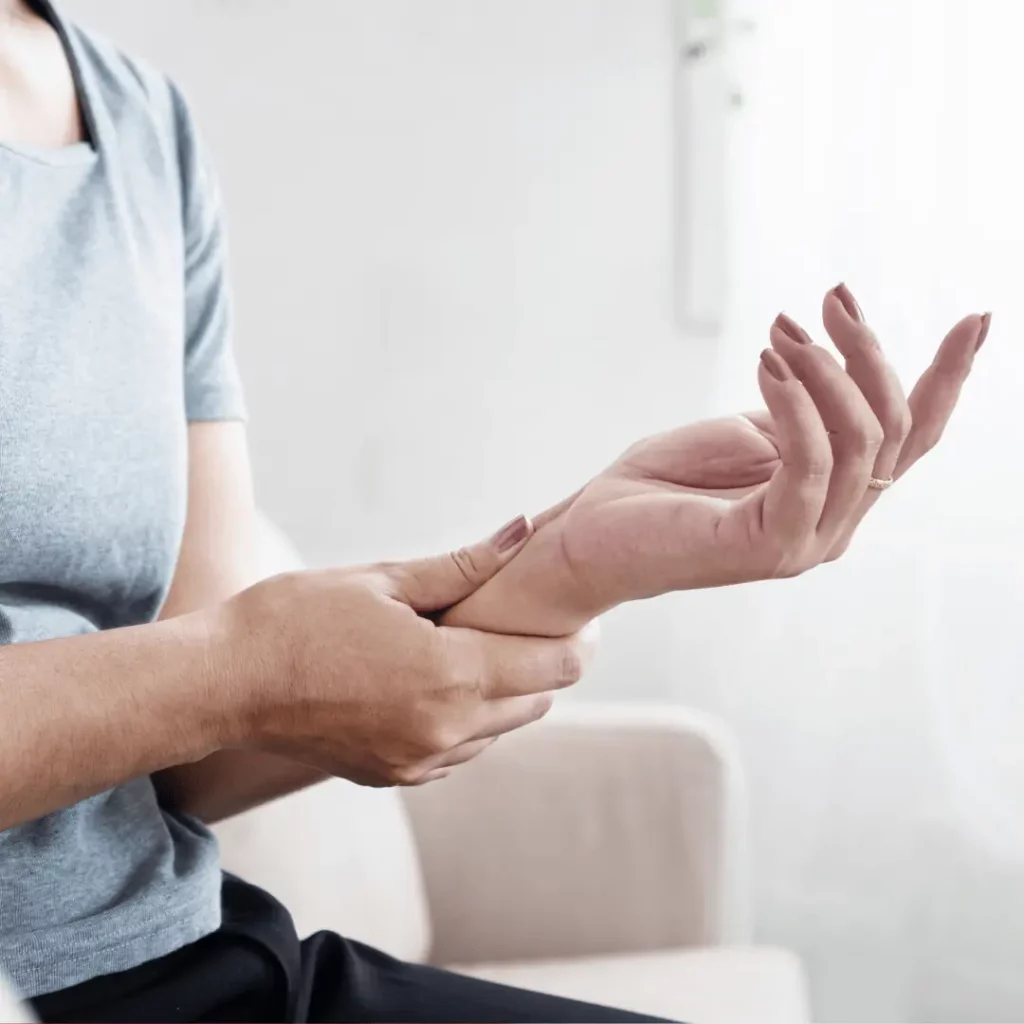
Posterior cervical foraminotomy is a surgery aimed at freeing a nerve root in the neck when pain shoots down the arm, there is numbness or weakness, and the problem is well localized. It does not replace all other options, but in selected patients it can relieve symptoms without fusing the segment. The key is not whether the technique sounds modern or less invasive, but whether it fits the anatomy, the type of compression and the real goal of the case.
What posterior cervical foraminotomy is and why it is back in the conversation
Posterior cervical foraminotomy is a surgery that widens the foramen, that is, the bony canal through which a nerve root exits the cervical spine. Simply put: if the nerve is trapped as it leaves the neck due to a lateral herniation, a narrowing of the hole or bone spurs, this technique seeks to create space and relieve pressure right where the conflict is.
Its main appeal is that, in well-chosen cases, it can decompress the nerve without the need to fuse two vertebrae. That means it is not always necessary to immobilize the segment to relieve arm pain. That is why the technique is of interest both to patients who want to know if there is an option that preserves motion and to professionals who seek an approach more tailored to the real problem.
However, that idea is only useful if it is properly explained. It is not a better surgery by definition. It is not suitable for everyone. And it should not be proposed just because it sounds less invasive or because someone wants to avoid a fusion at all costs. In spine care, the best technique is not the flashiest, but the one that matches the compression pattern, neck alignment, presence or absence of instability and the patient’s neurological status.
Symptoms and indications: when it may make sense
The most typical situation is cervical radiculopathy. This means that a nerve root in the neck is irritated or compressed and produces symptoms felt mainly in the arm. Many people expect severe neck pain, but that is not always the case. In fact, sometimes the predominant complaints are shoulder blade pain, tingling in specific fingers, a shooting sensation or weakness when gripping objects.
Posterior cervical foraminotomy may be worth considering when one or more of these scenarios appear:
- Pain that travels from the neck to the shoulder, arm or hand with a pattern compatible with a nerve root.
- Persistent tingling or numbness in specific fingers.
- Weakness in arm or hand movements that correlates with a cervical level.
- Symptoms that do not improve reasonably after a well-conducted conservative treatment.
- Imaging consistent with well-localized foraminal or lateral compression.
On the other hand, the technique usually loses appeal when the main problem is not a specific nerve root but a more central compression, myelopathy, a relevant deformity, major instability or arthrosis/anatomy that make another approach preferable. It is also not the default surgery for every neck pain with arm symptoms. First it must be demonstrated that the affected nerve and the imaging match.
How the diagnosis is confirmed
The diagnosis starts well before the MRI. First is to listen carefully to the history: where the pain began, where it radiates, what worsens it, whether it wakes the patient at night, whether it changes with neck movement and whether there is loss of strength or clumsiness in the hand. Next comes the neurological examination, which helps localize the suspected root and detect signs of spinal cord compression, which completely change the urgency and type of surgery.
MRI is usually the most useful imaging test because it allows visualization of discs, nerves and cord. But it does not decide by itself. An abnormal image at a level that does not fit the symptoms should not automatically lead to surgery. In some cases dynamic X-rays, CT and, more selectively, neurophysiological studies have value when there are doubts between neck, shoulder or peripheral nerve causes.
Two ideas matter a lot here. First: there is no single magic test that confirms cervical radiculopathy in all patients. Second: posterior cervical foraminotomy tends to work better when the compression is well localized to the side and the goal is to free a specific root, not to solve a more diffuse cervical problem.
Non-surgical alternatives
Many cervical radiculopathies improve without surgery. This does not mean resignation, but rather a serious conservative treatment. It usually includes prudent analgesia, adapted activity, progressive physiotherapy, postural education and a strategy to recover movement without further irritating the nerve.
In some cases injections are considered, especially if they help control a very painful phase or buy time for rehabilitation. They are not a universal solution nor do they work equally in all scenarios. It is also important to review factors that worsen the course, such as fear of movement, very poor sleep, smoking or chronicity of pain.
The useful question is not “have I tried everything”, but “have I undertaken a reasonable and well-directed conservative treatment for long enough to know if I am improving”. If there is a clear tendency to improve, it often makes sense to continue. If pain is disabling, strength is falling or daily life is completely blocked, the balance may shift.
Surgical alternatives: they do not all compete with each other
When surgery is discussed, three main families are usually mentioned: anterior cervical discectomy with fusion, cervical disc replacement and posterior cervical foraminotomy. They are often presented as direct rivals, but in reality they do not always compete for the same patient.
Cervical fusion can be very useful when an anterior conflict must be resolved, the segment stabilized or when the anatomy and arthrosis make preserving motion less advisable. Cervical disc replacement is considered in selected cases where, in addition to decompressing, preserving mobility is desirable and the joint retains certain favorable conditions. Posterior cervical foraminotomy stands out when the goal is to decompress a specific lateral or foraminal root without fusion.
In other words, the decision should not be framed as which surgery is trendy, but as what exact problem I have and which technique solves it with the least reasonable toll. Sometimes the posterior option fits very well. Other times it does not.
Real benefits versus risks and adverse effects
Benefits sought
The main benefit sought is relief of arm pain and reduction of nerve irritation or compression. When the indication is good, it can also improve tingling, stabilize loss of strength and facilitate a faster functional recovery than continuing without direction.
Another attraction is that it does not necessarily force fusion of the treated level. That can translate into preservation of segmental motion and a different postoperative course than with arthrodesis. For many people, this point weighs heavily, but it should be understood well: preserving motion is useless if the chosen technique is not appropriate for the patient’s anatomy.
Risks and limits
No cervical surgery is free of risks. After posterior cervical foraminotomy there may be incision-site pain, posterior muscle pain, partial persistence of tingling, recurrence of symptoms, infection, bleeding, nerve injury, cerebrospinal fluid leak and, in some cases, the need for another operation.
There is also an important limit: not every neurological symptom recovers at the same speed. Radicular pain may improve before strength or sensation. If the nerve has been suffering for a long time, part of the recovery can be slow or incomplete. In addition, some recent comparative studies suggest that, although overall clinical relief can be comparable to other anterior surgeries in selected cases, the risk of reoperation is not identical across all series. That is why it is so important to discuss realistic expectations and not promises.
Criteria for referral or specialist assessment
A case should be reviewed with higher priority when there is intense radicular pain that prevents sleeping, working or performing basic tasks, when weakness is progressing, when the examination does not quite fit a shoulder or other causes, and when MRI shows a localized compression that can change management.
It also deserves a finer assessment when the patient has spent weeks or months bouncing between vague diagnoses such as muscle strain, tendinitis or stress and continues with arm, scapular or hand pain that no longer seems simply mechanical. At that point, the value is not only in doing more tests, but in ordering the history well to determine if the problem is cervical, peripheral or mixed.
Realistic recovery times
There is no universal timetable, but there is a fairly reasonable pattern. After surgery, many people get up early and begin walking the same day or the next. During the first or second week posterior neck and muscle soreness usually predominates over the original radicular conflict. That phase can be disconcerting if nobody explains it, because sometimes the arm improves while the neck feels more strained.
Between weeks 2 and 6 the true trend usually begins to show: less radiating pain, progression of activity and adaptation of the musculature. Light tasks can be resumed before physical work. Return to work depends on the type of job, the number of levels treated, the prior condition of the nerve and pain control. In general, functional recovery after a decompressive surgery without fusion tends to be quicker than after an arthrodesis, but that does not mean an immediate return to normality.
There is another important idea: the fact that pain decreases quickly does not mean the nerve is fully recovered. Residual tingling and some weakness may take longer. And slow recovery does not by itself imply a poor result.
When to go to the emergency room
There are signs that should not wait for a routine review. Among them are rapidly worsening weakness, progressive clumsiness in both hands, unusual sensations in the legs or difficulty walking, new bladder or bowel changes, fever with severe pain or wound discharge, and uncontrolled pain accompanied by neurological deterioration.
These situations require ruling out spinal cord compression, infection, hematoma or other complications that change priority. The practical rule is simple: if the picture stops resembling a reasonable postoperative course or a new functional loss appears, seek consultation.
Myths and realities
Myth: if it preserves motion, it is always the best option
Reality: preserving motion can be an advantage, but only when the anatomy and indication allow. It is not an automatic reward.
Myth: if my pain is mainly in the arm, the neck does not have to be the cause
Reality: many cervical radiculopathies are felt more in the arm or scapula than in the neck.
Myth: a posterior surgery is a minor operation
Reality: it can be a very useful and focal surgery, but it is still cervical surgery and requires selection, experience and follow-up.
Myth: if they operate on the nerve, the tingling disappears immediately
Reality: pain often improves before sensation or strength. The nerve needs time.
Frequently asked questions
Does posterior cervical foraminotomy work for any cervical herniation?
No. It usually fits better when the compression is localized to the side where the nerve root exits. If there are other problems, another technique may be preferable.
Does it always avoid fusion?
Not always. In some cases it does allow decompression without fusion, but it depends on stability, arthrosis, alignment and the type of compression.
Which improves first: pain or tingling?
Radicular pain often improves first. Tingling and strength may take longer to recover.
Is it normal to have more neck pain at the start?
Yes, it can happen. The posterior neck area and musculature can be sore in the first days or weeks even if the arm begins to get better.
How long should conservative treatment be tried before considering surgery?
There is no identical number for everyone. It depends on pain intensity, response to treatment and, above all, whether there is progressive weakness or spinal cord involvement.
Can it be confused with a shoulder problem?
Yes, and this happens frequently. That is why clinical examination remains as important as MRI.
Does posterior surgery carry a higher risk of reoperation?
Some recent comparative series suggest it may not behave exactly the same as other anterior surgeries in that regard. It is a topic to discuss with case-specific data, not absolute statements.
When should I really be worried?
When rapid weakness, increasing clumsiness, difficulty walking, sphincter changes, fever or pain that worsens instead of stabilizing appear.
Glossary
- Cervical radiculopathy
- Symptoms produced by irritation or compression of a nerve root in the neck, such as arm pain, tingling or weakness.
- Foramen
- Canal through which a nerve root exits the spine.
- Foraminotomy
- Surgery intended to widen that canal to reduce nerve compression.
- Myelopathy
- Involvement of the spinal cord. It can cause hand clumsiness, difficulty walking and sometimes bladder or bowel symptoms.
- Cervical fusion
- Surgery that joins two vertebrae to stabilize the treated segment.
- Cervical disc replacement
- An implant that replaces the disc and aims to preserve motion in selected cases.
- Magnetic resonance imaging
- An imaging test very useful to evaluate discs, nerves and the spinal cord.
- Neurological deficit
- Loss of strength, sensation, reflexes or dexterity due to nervous system involvement.
Sources and references
- Posterior Cervical Foraminotomy Compared with Anterior Cervical Discectomy with Fusion for Cervical Radiculopathy: Two-Year Results of the FACET Randomized Noninferiority Study
- Comparing posterior cervical foraminotomy with anterior cervical discectomy and fusion in radiculopathic patients: an analysis from the Quality Outcomes Database
- Minimally invasive posterior cervical foraminotomy versus anterior cervical discectomy and fusion and cervical total disc arthroplasty: a systematic review and meta-analysis
- Minimally invasive posterior cervical foraminotomy versus anterior cervical discectomy and fusion for one-level unilateral cervical radiculopathy
- Cervical Disc Arthroplasty vs Anterior Cervical Discectomy and Fusion at 10 Years
Important notice. This content is educational and does not replace an individual medical assessment. Arm pain can be due to the neck, but also to the shoulder, a peripheral nerve or other causes. The correct decision requires medical history, neurological examination and properly interpreted imaging tests.